

Why choose Roatan? Roatan's varied diving makes it a perfect place to GoPro.
About Roatan
With perfect dive conditions year round a variety of stunning beaches which often feature in best beaches awards. Roatan has not yet fallen victim to the high rise hotel monstrosities that other similar locations are plagued by. Visiting Roatan is like stepping back in time.
There are many reasons we chose to make Roatan our home. It is extremely hard to put in words why we love this little island.
The number one reason is the diving. Warm, clear and calm waters with abundant macro and pelagic life are hard to find all in one place, but here in Roatan, you will. Combine that with superb dive sites less than a five-minute boat ride away, low cost of living, easy international air transport and a good social scene and it's hard not to love Roatan.
Reef Health in the Bay Islands

Roatan’s reefs have been rated as more healthy than any others in the Bay Islands in the MesoAmerican Reef health report. The declining state of Coral Reefs throughout the world is a major concern, and sadly much work will be required to maintain a rating of ‘Good’ for the reefs in our backyard, much of it being factors out of our control. If you are looking at diving in the Bay Islands, our location on the northwestern tip of Roatan is one of few in the region that is rated as good.
Where is it?
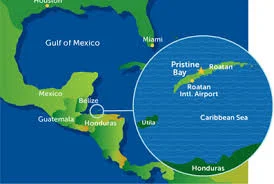
Roatan is a small Island about 40 miles off the Northern coast of Honduras in the Caribbean Sea. It is part of the Bay Islands department of Honduras. Being separate from the mainland, it suffers from few of the problems the Honduran mainland has become infamous for.
Roatan uses both the USD and Honduran Lempira interchangeably as its currency. Although getting $50 or $100 notes changed can be hard, so bring small denominations. You will have a very hard time changing any other currencies on the island.
The primary language is Spanish, although a huge amount of English is also spoken. US 115v electrical outlets are used.
West End
Nestled on the northwestern tip of Roatan, West End is the island’s lively, laid-back heart. This small seaside village combines Caribbean charm with an international, adventurous atmosphere, making it one of the best places on the island to experience Roatan beyond the large resorts.
The village is centred on Half Moon Bay, with a narrow road winding along the waterfront and a maze of small restaurants, bars, dive shops, cafés, boutiques and local businesses tucked along the shore and just inland.
West End is compact, social and easy to explore on foot. You can spend the morning diving, grab lunch overlooking the Caribbean, wander between shops and cafés in the afternoon, and finish the day with dinner and drinks without ever needing to go far.
Diving and snorkelling
For many visitors, diving is the main reason to come to West End — and for good reason. Roatan sits alongside the Mesoamerican Barrier Reef, with spectacular coral formations, walls, drop-offs and abundant marine life just offshore.
Go Pro Caribbean is based at Coconut Tree Divers, right in the heart of West End. Its private dock extends directly into Half Moon Bay, roughly from the centre of the bay.
Half Moon Bay also offers excellent opportunities for snorkelling, with reef areas accessible directly from the shoreline and by boat. Even if you aren't a diver, you can still experience the underwater world that makes this part of Roatan so popular.
A surprisingly diverse food scene
West End may be small, but its food scene is anything but limited. You'll find everything from inexpensive local favourites and casual beachfront restaurants to international cuisine, cocktails, coffee shops and more sophisticated dining.
One of the highlights is Roatan Oasis Restaurant, located just outside the centre of West End on the main road towards West Bay.
The wider West End area is also a great place to try some of the foods that make Honduras special — from baleadas and grilled meats to fresh seafood, tropical fruit and locally produced ingredients.
The best part of eating in West End is the variety. You can have a very casual lunch barefoot by the water and dress up for a more sophisticated dinner the same evening.
Everything is close
One of West End's biggest advantages is its size.
The main village is highly walkable, with restaurants, bars, dive shops, cafés, small grocery stores, souvenir shops and accommodation all within a relatively compact area.
There is no need to hire a car just to explore West End. Taxis are readily available when you want to go further afield, while water taxis connect West End with nearby West Bay, giving you another scenic option for getting around.
The village can get busy during the day, particularly around the waterfront, but that is part of its charm. West End feels like a place where visitors and locals naturally mix rather than a purpose-built resort destination.
Nightlife: lively, social and Caribbean
West End has a reputation for having some of the best nightlife on Roatan, and there is plenty of truth to that.
As the sun goes down, the village shifts from diving and beach activities to cocktails, music, dinner and socialising. Bars and restaurants along the waterfront create a lively atmosphere, with live music, DJs and people moving between venues throughout the evening.
That said, West End nightlife isn't necessarily an all-night party every night. During the week, things generally begin winding down around midnight. Weekends tend to stay livelier for longer, with more people out and a later-night atmosphere.
That balance is part of what makes West End appealing: there is enough nightlife to make evenings fun and social, without the village feeling like a party destination 24 hours a day.
Exploring beyond West End
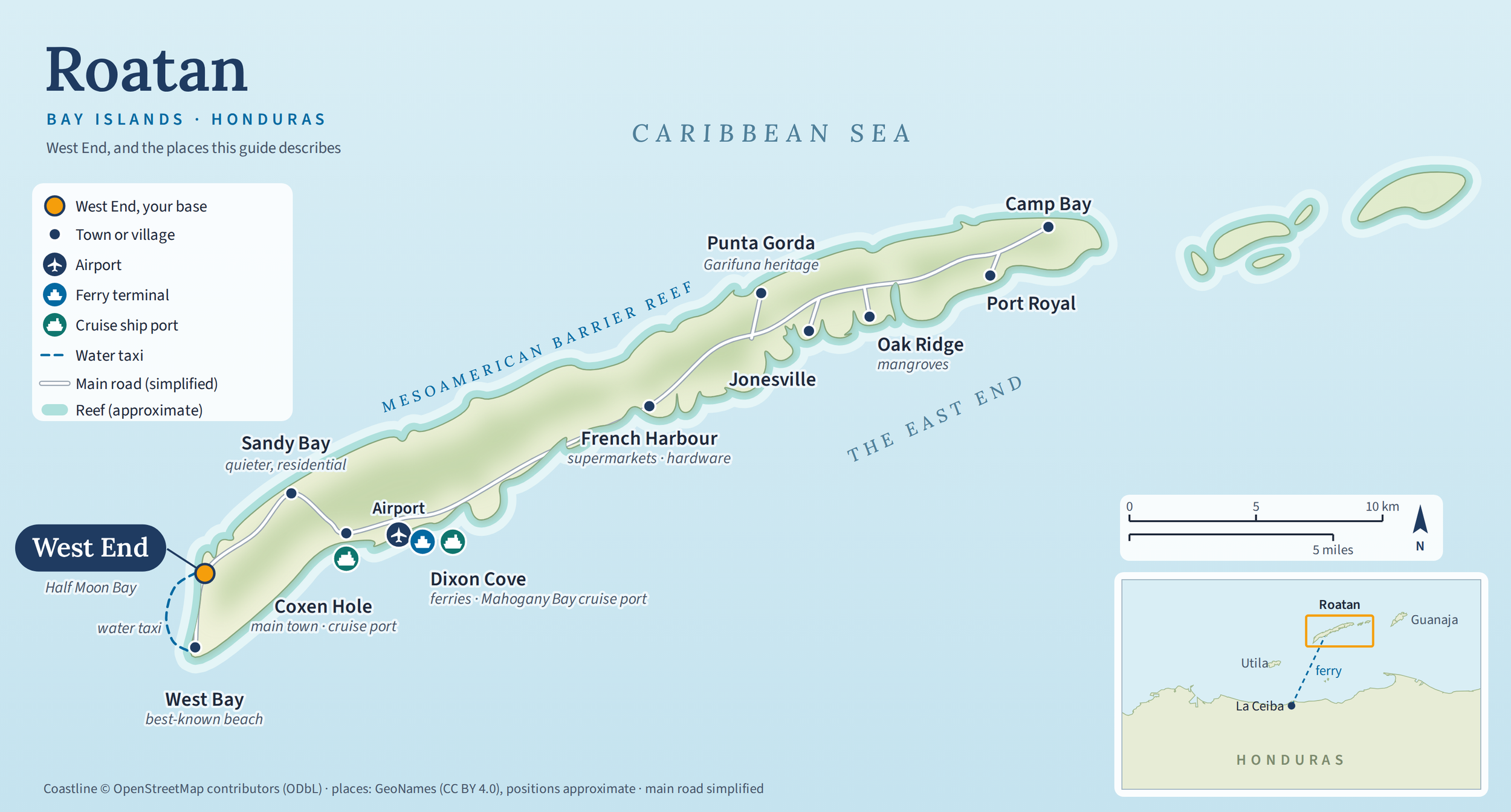
One of the advantages of staying in West End is that you are well positioned to explore the rest of Roatan. The island is long and narrow, with communities and attractions spread along its main road, so it is easy to make a day of exploring beyond the village.
You don't need to venture far to see a very different side of the island.
West Bay
Just around the western tip of Roatan, West Bay is home to the island's best-known beach. This is where you'll find the classic Caribbean postcard scenery: white sand, clear turquoise water and easy access to the reef.
West Bay is more resort-focused than West End, with larger hotels, beach clubs, restaurants and water activities concentrated along the beachfront. It makes an easy day trip from West End, and the two areas are also connected by water taxi.
For divers staying in West End, West Bay is a good choice for a non-diving day when you simply want to spend some time on the beach.
Sandy Bay
Between West End and Coxen Hole, Sandy Bay is a quieter, more residential part of the island.
It is less about tourism and more about everyday island life, but there are several places worth visiting in the area, including marine and environmental attractions. The roads and coastline around Sandy Bay also provide some pleasant opportunities to explore beyond the main tourist areas.
For longer-stay visitors, Sandy Bay is particularly useful for its proximity to West End while also being home to a number of everyday businesses and smaller shops.
Coxen Hole
Coxen Hole is Roatan's main town and commercial centre, and it is where you'll see more of the island's everyday Honduran life.
This is a useful place to visit when you need to run errands. There are pharmacies, banks, hardware stores, mobile-phone shops and other businesses concentrated around the town and main road, although the town's shops and markets are nothing to go out of your way for.
The Eldon's Supermarket just outside town makes Coxen Hole a useful stop if you're staying for several weeks and want to stock up on groceries or household supplies rather than relying on the smaller stores in West End.
The town is also home to the Port of Roatan cruise terminal, so it can become noticeably busier when a cruise ship is in port. The cruise terminal itself has shops, restaurants and duty-free shopping, although this is primarily geared towards cruise passengers.
French Harbour
Further east, French Harbour is one of Roatan's main commercial and working communities.
This is one of the places to go when you need the sort of shopping that is difficult to find in a small tourist village. The Megaplaza is best for clothes and electronics, and you'll also find hardware stores, automotive businesses and other practical services.
There is an Eldon's Supermarket here too, but there is no need to come this far for groceries: the Eldon's outside Coxen Hole is bigger. A trip east is still a chance to see a much more working, local side of Roatan.
The East End
As you continue east beyond French Harbour, Roatan becomes increasingly rural and the pace slows down.
Communities such as Oak Ridge, Jonesville, Punta Gorda, Camp Bay and Port Royal offer a very different experience from the busy western end of the island.
The East End is less developed for tourism, with fewer restaurants and shops and much less nightlife. What it does have is a more peaceful, traditional island atmosphere, beautiful scenery and a chance to see communities that aren't built around visitors.
This makes the East End particularly interesting as a day trip. Take a drive, stop for lunch, explore the coastline and see another side of Roatan before heading back west.
The mangroves and Oak Ridge
Oak Ridge and Jonesville are particularly interesting for their waterways and mangroves. The area has traditionally been associated with fishing and boating, and the coastline looks very different from the beaches around West End and West Bay.
Boat trips through the mangroves are one way to experience this side of the island, while simply driving through the area gives you a glimpse of a quieter, more traditional Roatan.
Punta Gorda
Punta Gorda, on the north side of the eastern part of the island, is known for its Garifuna heritage.
If you're interested in the culture and history of the Bay Islands, this is one of the places worth seeking out. The Garifuna community has a distinct language, music, food and cultural traditions, and Punta Gorda offers an opportunity to experience a part of Roatan that is very different from the tourism-focused western end.
Camp Bay and Port Royal
At the far eastern end of the island, Camp Bay and Port Royal are about as far removed from West End as you can get while still being on Roatan.
The journey itself is part of the experience. The roads become quieter, development becomes more sparse and the landscape feels increasingly untouched.
These areas are best approached as a full-day exploration rather than a quick trip. Bring plenty of time, enjoy the scenery and don't expect the same concentration of restaurants, shops and services that you'll find in West End.
Roatan beyond the reef
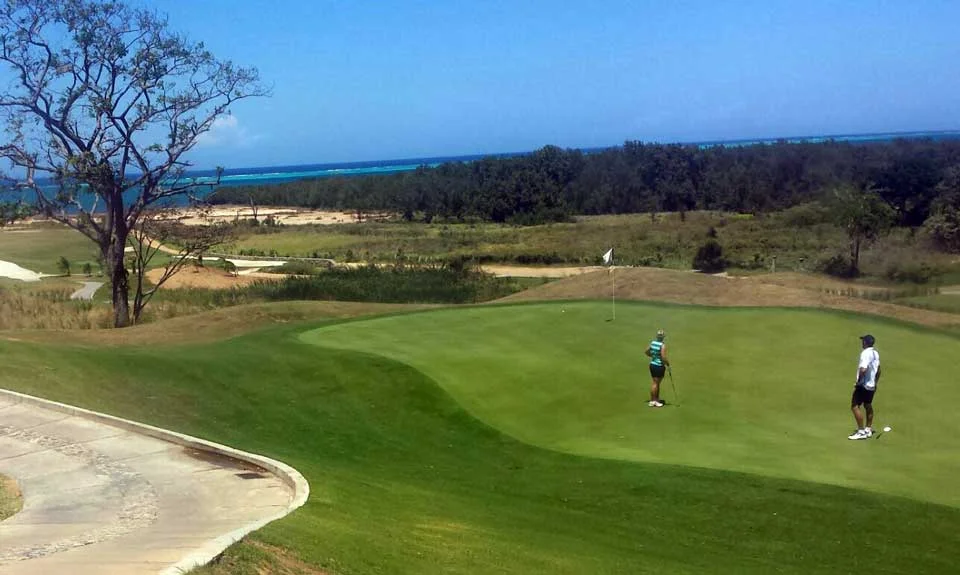
Diving may be the reason many visitors come to Roatan, but it doesn't have to be the only thing you do here.
Spend a non-diving day on West Bay Beach, or head inland for jungle and wildlife experiences. Head east to see the mangroves and fishing communities, or make a day of discovering Punta Gorda and the quieter eastern end of the island.
Then come back to West End for sunset, dinner and the familiar feeling of being home.
Shopping on Roatan
Although West End is primarily a tourist village, you don't have to rely entirely on restaurants if you're staying in an apartment, villa or guesthouse with a kitchen.
For everyday groceries, West End has small markets such as Roa Market Groceries & Liquor Store and Woody's Grocery. They stock a useful selection of everyday essentials, including fresh produce, bread, dairy products, eggs, snacks, drinks, beer and wine, canned and packaged goods, frozen foods and basic household supplies.
Don't expect the selection of a large supermarket on the mainland, however. Imported products can be more limited and more expensive, and availability can vary. For everyday needs, though, West End is surprisingly well equipped.
Visitors staying for an extended period will eventually want to make a bigger shopping trip. For a larger supermarket shop, head for the Eldon's Supermarket outside Coxen Hole, which is bigger than the one in French Harbour; there are other supermarkets along the main road too, including Supermercado Plaza Mar. You'll find the usual range of fresh and packaged food, dairy, frozen products, drinks, cleaning supplies and household essentials, although selection can vary and some familiar brands from North America or Europe can be considerably more expensive. For a longer stay, it's worth picking up some specialty or larger-volume items when you're passing through Coxen Hole or another larger shopping area.
There are also hardware and home-improvement stores in the larger commercial areas. For example, Ace Hardware Roatan is in French Harbour, while Serrano Industrial is in Coxen Hole. For clothes and electronics, the Megaplaza in French Harbour is best.
In other words, you can live quite comfortably in West End without a car, but if you're staying for several weeks, you'll probably find yourself making the occasional trip into the larger commercial areas.
Getting around and arriving
Getting around the island
Roatan's main road runs roughly east to west, connecting the major communities. Most of the places visitors want to explore can be reached along this route, although distances on an island can be deceptive and traffic can make journeys take longer than expected.
For occasional outings, taxis and organised tours are easy options. Water taxis are particularly useful between West End and West Bay.
For visitors staying for a month or two, having access to a car can be useful for exploring the eastern end of the island and making larger shopping trips. But you certainly don't need a car to enjoy Roatan from a West End base.
That is one of the advantages of West End: you can spend your diving days on the reef, walk to dinner in the evening, and still have the whole island available to explore on your non-diving days.
Arriving on Roatan
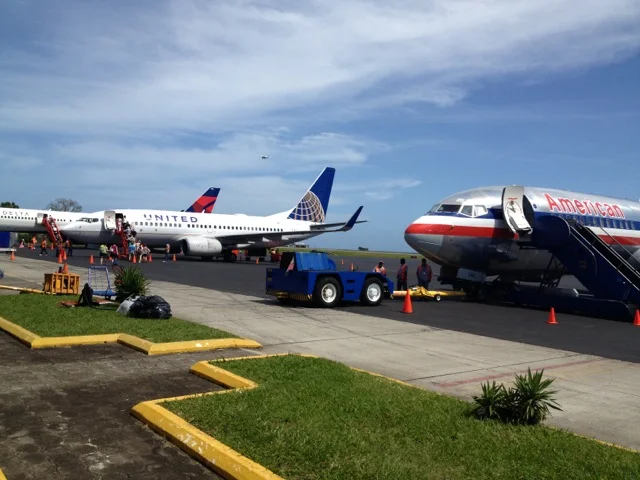
Roatan's international airport, Juan Manuel Gálvez International Airport, is located near Coxen Hole on the south side of the island.
Visitors can also arrive by ferry. The main passenger ferry terminals are at Dixon Cove, between Coxen Hole and French Harbour.
Roatan also has two cruise ship facilities: Port of Roatan in Coxen Hole and Mahogany Bay at Dixon Cove. Cruise days can bring a noticeable increase in visitors and traffic, particularly around the western and central parts of the island.
For someone staying in West End, these arrival points are all relatively straightforward to reach, and your accommodation or dive operator can help arrange transport.
Dive sites geography and geology
The Honduran Bay Islands (Las Islas de la Bahia) are comprised of eight islands and more than 60 cays resting on the Bonacca Ridge, which is about 40 miles northeast of the north coast of Honduras. They are beautiful Caribbean islands which still have a lot of old world charm. Visiting these islands will leave you with little idea of what Honduras as a country is like, since they suffer from few of the problems seen on the mainland, simply because tourism brings plenty of Dollars to the local economy.
The islands are surrounded by a reef system, which is part of the second largest reef system in the world. At times the reef is only a short swim away from the shoreline. The reef is one of the most species rich waters in the Caribbean in terms of both coral and fish.
Roatan is long and narrow, let's say 2.5 x 25 miles. Some places, much narrower; the length is debatable as the far NE end is rather swampy. Roatan runs Southwest to Northeast, at an angle. The centerline of the island is a backbone ridge line that runs as high as about 600 feet. Roatan and the Bay Islands are part of the Bonacca ridge line, a volcanic remnant that still has snaps and cracks, often heard underwater, at a usual epicenter some 30 miles to the North.
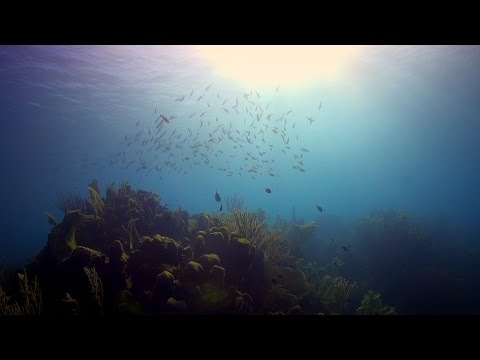
This ridge line runs quite a bit closer to the Northern half of the island. As the land descends to the North, it does so (comparatively to the South) rather steeply. This steepness also continues at the Ocean, causing the underwater geography to be shaped in a similar manner.
For millions of years, the heavy storms have come at Roatan from the North during the months of November December and January. This is what has caused the shape of both above and below water Roatan. When heavy "Northers" arrive, or during tropical storm season (Aug-Nov). During the Months of February to October the island enjoys strong southwesterly trade winds causing quite significant swell on the southern shore. This makes the North shore the calmest waters the majority of the time.
Roatan is largely out of the historical Hurricane track. It is a rain forest island. The distance from the ridge line to the South shore is much longer. The Southern shoreline is comparatively at the end of a slower and more gentle descent. The Southern shore is where you will find more mangrove growth.
The Southern geography continues on this gentle slope into the ocean, but only for a short while. Not many feet offshore, running from Coxen Hole to Port Royal, are a series of shallow reef coral heads that start in 5-30 feet and drop to first sandy shelf in 90 feet. From there on, and very quickly, you can get in 3000 feet of water in a blink. There is very little current flow, so visibility can be degraded after a storm (remember those eons of heavy Northerly storms that blow the soil over the ridge line to rest on the Southern slope). The island lies in a position that causes 10+ hours of sunlight a day to fall directly upon exposed, shallow South side reef structures. This causes a lot of florid growth and the microscopic nature of this area. Essentially, for that very reason- limited visibility is not that much of an issue there.
Northern/Western reefs are quite a bit different. The waters there are generally much clearer, due to the much quicker flow of water and the lack of mangroves (and extant soil deposits). The reef heads start much further offshore and they begin deeper. There is a running underwater plateau along much of the North & West, 90~115 feet.
The darker slopes of the Northside lend themselves to a much more dense vegetation with a lot more vegetable matter on the jungle floor. The South side is widely cultivated and the vegetation is more sparse and concentrated. Island development has occurred along the shoreline of the North and West, with the major landholders of the island declining to sell off much territory along the South shore.
Is the diving better off of one side or the other? Not really, it's just different.
The North side is typical of the diving that one used to be able to find all over the Caribbean. A cresting reef followed by a sloping plateau 20-60 feet deep and then a sudden drop off to thousands of feet, creating a beautiful wall and stunning geological features. Larger predatory fish can often be seen at some of the most popular dive sites, due in part to the prevailing currents bringing nutrient rich water, and also the fish feeding activities of some dive operators.
The South side is for those divers who love the macro life that can be found in expansive soft coral gardens. It rewards the slow and observant divers with better buoyancy skills. You have to be able to hover and get in close to see all of the many micro/macro critters that use the shallow reef structure as an incubator and niche hiding spot.
Planning your IDC or Divemaster trip to Roatan?
Will Welbourn — PADI Platinum Course Director, Go Pro Caribbean. Email is usually fastest.
- Cost of Living — Find out more about spending an extended time on Roatan.
- Getting to Roatan — Find the easiest cheapest way to get here.