
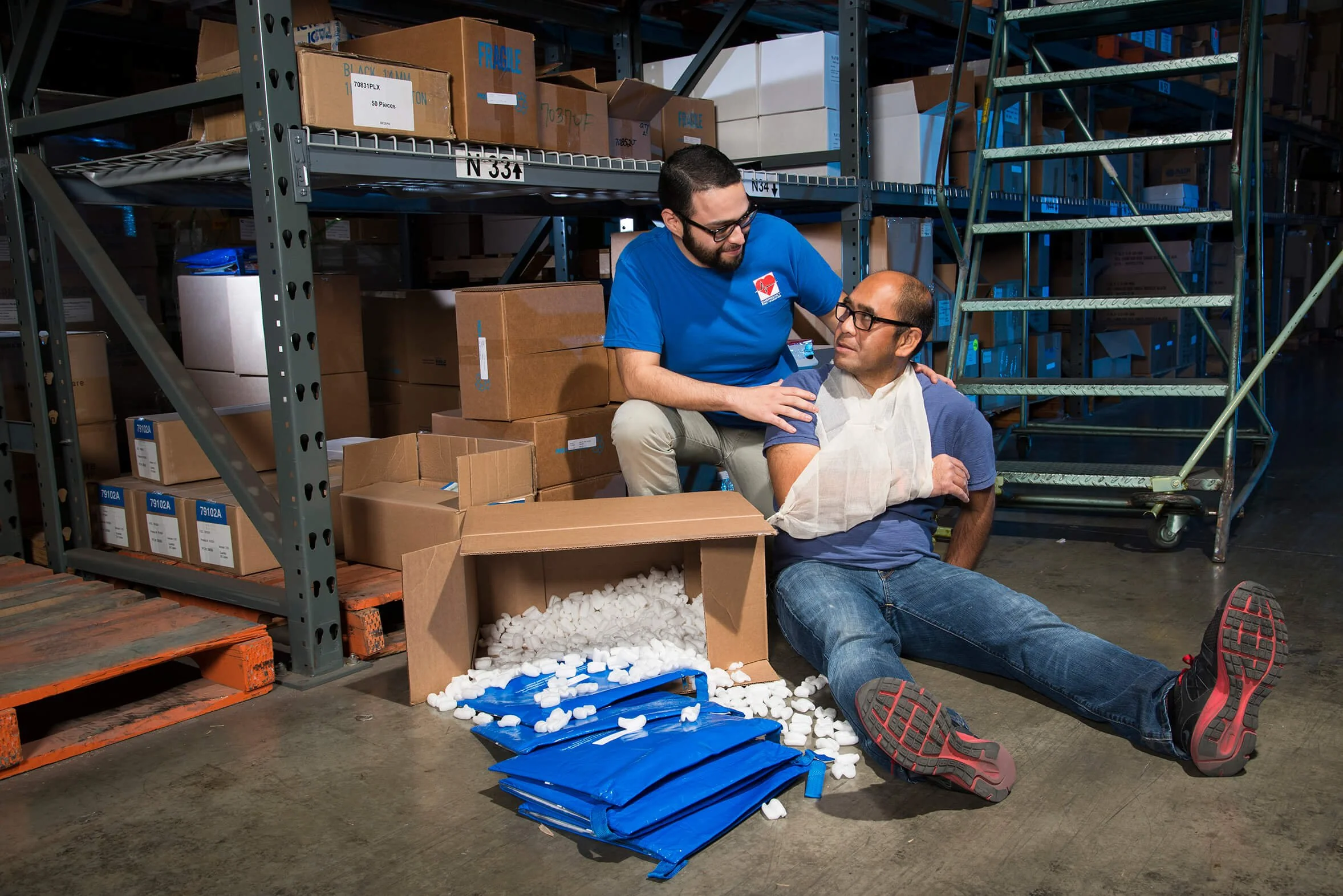
PADI Emergency First Response (EFR) Courses
Whether you are preparing for your Rescue Diver course, stepping up to the professional ranks, or simply want to be ready in an emergency, the PADI Emergency First Response (EFR) courses provide vital, internationally recognized CPR and First Aid training.
The PADI EFR Course (Provider Level)
This course is designed to build confidence in lay rescuers and teach them the skills needed to respond to medical emergencies. It is completely land-based and open to anyone—not just divers.
Who it’s for: Anyone who wants to learn CPR and First Aid. It is a mandatory requirement for the PADI Rescue Diver certification and all PADI professional ratings.
Prerequisites: None. There is no minimum age requirement and no diving experience is necessary.
Duration: Typically 1 day (often split into a few hours of independent online eLearning, followed by a half-day of in-person, hands-on skill practice).
What You Learn:
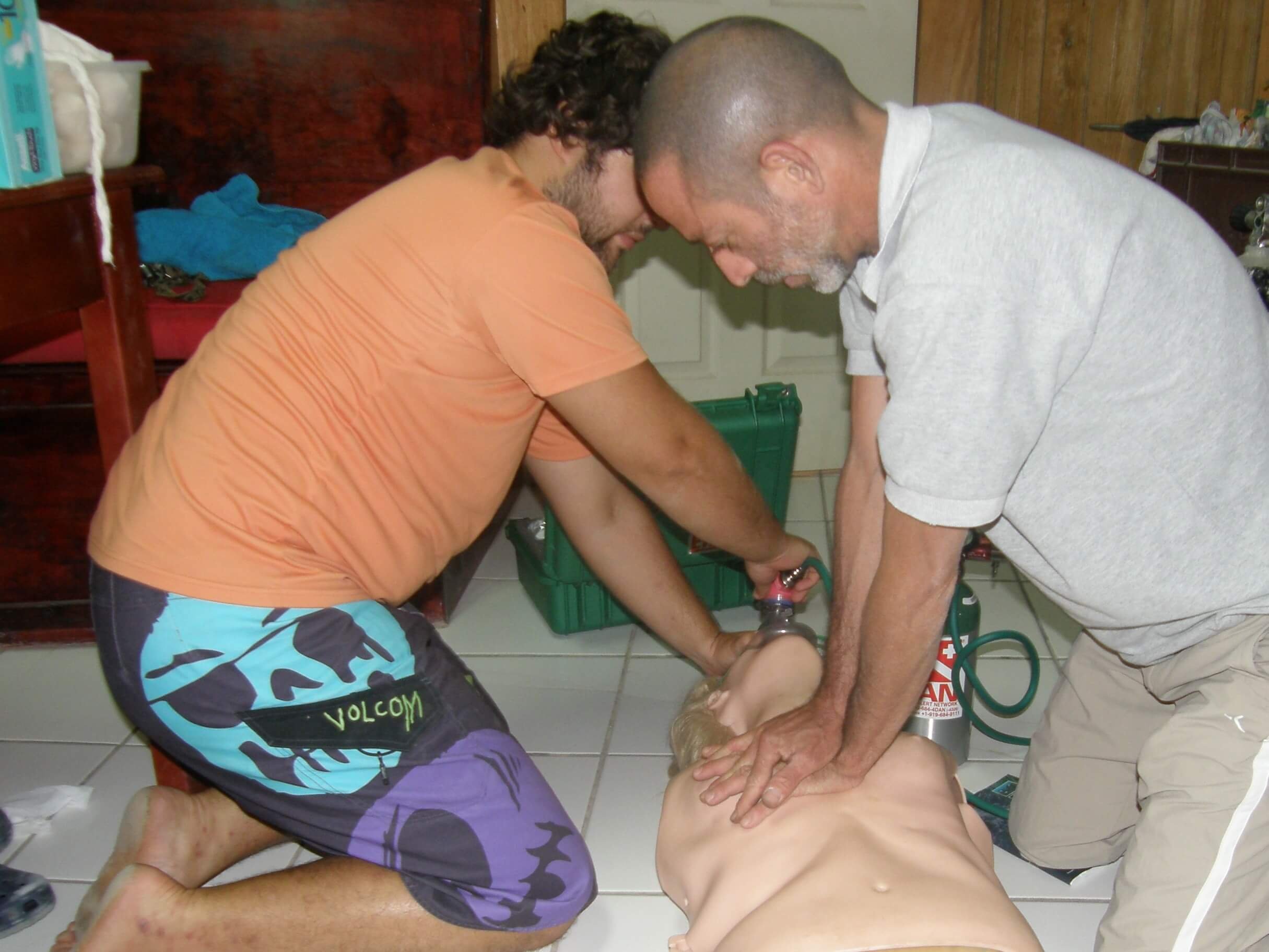
Primary Care (CPR): How to respond to life-threatening emergencies, provide rescue breathing, perform CPR, and use an Automated External Defibrillator (AED).
Secondary Care (First Aid): Assessing injuries and illnesses, bandaging, and splinting.
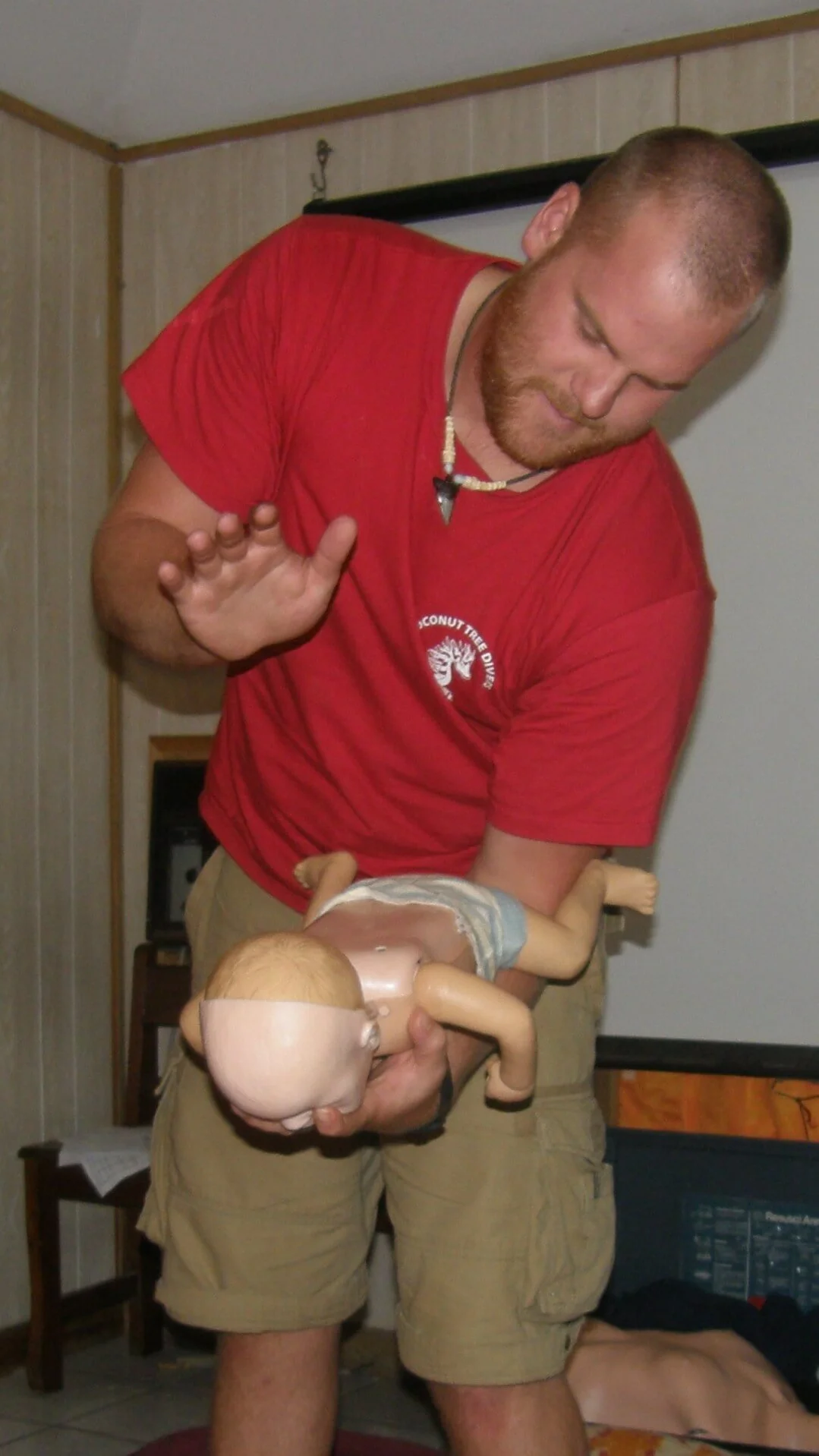
Note: Many courses also include care for children and infants.
The PADI EFR Instructor Course
If you want to teach others how to save lives, this is the course for you. EFR Instructors can teach the EFR course to anyone in the general public. This rating is a mandatory requirement before you can become a PADI Open Water Scuba Instructor (OWSI).
Who it’s for: Future PADI Instructors, or anyone who wants to teach internationally recognized CPR and First Aid in their community or workplace.
Prerequisites: You must be at least 18 years old and have completed EFR Primary and Secondary Care (or qualifying training from another organization) within the past 24 months. You do not need to be a PADI Divemaster to become an EFR Instructor.
Duration: 1 to 2 days of in-person training.
What You Learn:
How to structure, organize, and market EFR courses.
How to present course content and encourage self-discovery in your students.
Evaluating student understanding and skill mastery during hands-on practice.
How to manage and evaluate effective, scenario-based learning experiences.
Pro Tip for Go Pro Candidates: You don't have to wait until your Instructor Development Course (IDC) to become an EFR Instructor. You can complete this training ahead of time to get a head start on your professional resume!